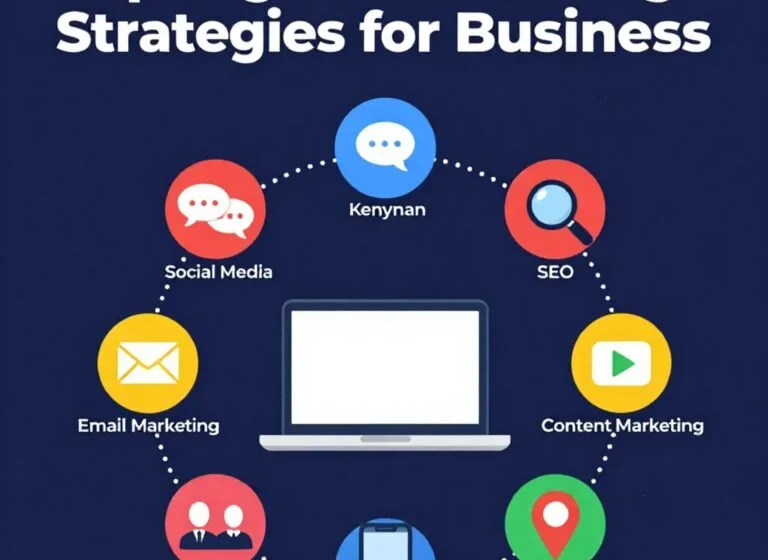
Integrated marketing and PR in Nairobi means planning media coverage, social media, advertising and events as one story instead of separate projects. The difference shows up quickly. Picture a brand that announces a launch: the PR team sends a press release, the marketing team runs ads with a different message, and the social team posts something else again. Customers see three brands instead of one.
Here is what integration means, why it works, and how one campaign flows across channels.
What Is Integrated Marketing and PR?
PR and marketing do different jobs. PR builds credibility, usually through media coverage, relationships and reputation. Marketing drives reach and leads through channels such as social media, search and ads. Integration means they share one message, one calendar and one report, so each supports the other. Kenya’s own marketing body, the Marketing Society of Kenya, recognises this with an Integrated Campaigns category in its annual awards.
Why Integrated Marketing and PR in Nairobi Works Better Together
- Coverage gives ads credibility. People trust a brand more when they have also read about it in the news.
- Ads give coverage reach. A good story gets seen by far more people when it is amplified on social media.
- One message avoids mixed signals. Customers who check you on Google and social media find the same story everywhere.
- One report shows what works. You can see how coverage, social posts and ads feed enquiries.
How One Campaign Works Across Channels
Here is an illustrative example, not a client case: a Nairobi food brand launching a new product.
Week 1: Agree the story. Choose one message and three proof points, such as what is new, who it is for and why it matters. Everything else builds on this.
Weeks 2 to 3: Earn attention. Our PR consultancy services approach starts with media relations: pitching the story to relevant journalists, arranging a founder interview and preparing a short press kit.
Weeks 3 to 6: Amplify. Turn every piece of coverage into content. Share it through social media marketing, back the strongest posts with paid ads and bring in creators through influencer marketing who can show the product in real use.
Ongoing: Listen and respond. Track mentions, answer comments quickly and handle any complaints before they grow. Our guide to brand reputation management in Nairobi explains how.
At the end: Report as one. Review coverage, reach, leads and sentiment together, then decide what to repeat.
Signs Your Brand Needs an Integrated Approach
- Your PR and marketing teams, or agencies, don’t share a calendar.
- Press coverage never turns into social media content.
- Your ads say one thing and your press releases say another.
- You can’t tell which activity produces enquiries.
- Every campaign starts from scratch.
How to Start
- Pick one goal. For example, 100 qualified enquiries from a product launch.
- Write one message. Test it with a few customers before you spend money.
- Build one calendar covering PR, social media, ads and events.
If you are comparing partners to help with this, read how to choose a digital marketing agency in Nairobi.
Frequently Asked Questions
What is the difference between marketing and PR?
Marketing promotes your products and drives sales through channels such as ads and social media. PR shapes how the public and the media see your brand and builds trust. They work best together.
Do small businesses need both?
Usually in a lighter form. A small business can start with a clear message, a few press relationships and a consistent social media presence, then add paid campaigns as it grows.
Bringing Marketing and PR Together
Integrated marketing and PR in Nairobi gives brands a clearer story, stronger trust and results they can measure. FixitPR is a Nairobi-based marketing, branding and PR agency, and you can see how we work in our case studies. Request a free quote and we will suggest how to connect your PR and marketing into one plan.