As the political landscape heats up, the race toward the Kenya 2027 elections is shifting into high gear. Aspirants across counties are assembling secretariats, mobilizing grassroots networks, and mapping out coalitions. But behind closed doors, a silent threat often derails even the best-funded campaigns: internal sabotage and political moles.
In high-stakes environments like Kenyan politics, external opponents are rarely your only problem. Often, the damage comes from within—leaked strategy documents, compromised communication channels, and moles planted to feed intelligence to rival camps. Protecting your camp requires a tight campaign strategy and proactive internal security.
Why Internal Security Matters More in the 2027 Race
With voter expectations changing and digital mobilization playing a massive role, information is currency. Leaked polling data, premature announcements of political realignments, or exposed financial strategies can destroy momentum overnight.
When teams lack discipline or proper structural boundaries, opponents exploit those gaps. Building a resilient campaign goes beyond external messaging; it demands rigorous internal control. For a broader look at public positioning, check out FixitPR’s guide on Political Branding Kenya.
Campaign strategists often look at risk management frameworks similar to corporate compliance models outlined by groups like the Institute of Risk Management to handle internal vulnerabilities.
Red Flags: How to Spot a Political Mole in Your Camp
Moles rarely look like villains; they often play the role of overly eager, hyper-loyal foot soldiers. Watch out for these indicators within your secretariat or inner circle:
- Excessive Curiosity Outside Their Docket: Asking deep questions about high-level strategy, donor lists, or upcoming travel itineraries that have nothing to do with their specific job description.
- Unexplained Resource Shifts: Sudden lifestyle changes, unexplained financial buoyancy, or suspicious closeness with rival political camps.
- Targeted Leaks: Noticeable patterns where confidential talking points discussed in restricted meetings show up prematurely on social media or rival briefing notes.
Actionable Strategies to Keep Your Campaign Team in Order
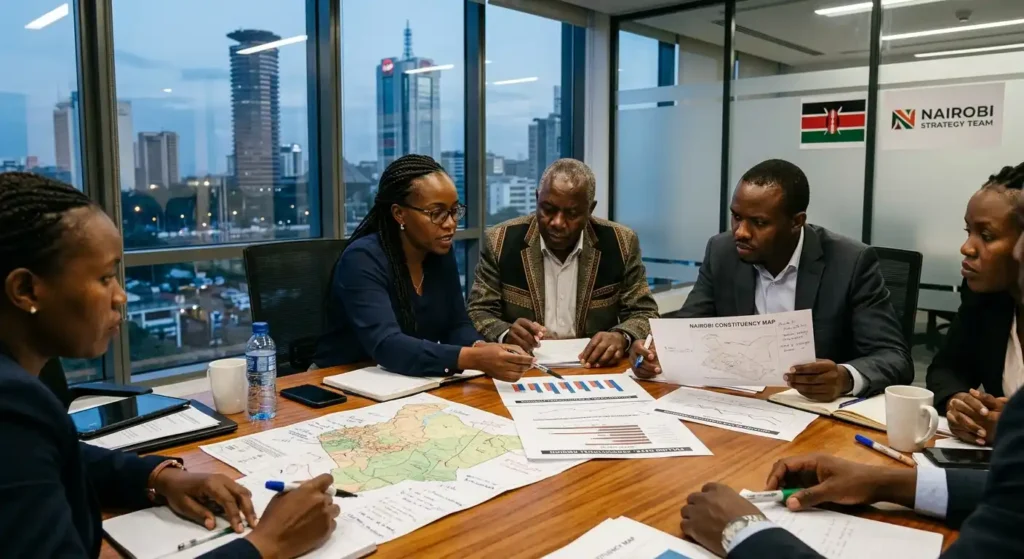
To safeguard your camp ahead of 2027, implement these defensive measures early:
1. Compartmentalize Information
Never give everyone access to everything. Restrict polling numbers, strategy documents, and financial records to a strict “need-to-know” basis. Divide your teams into functional silos—communications, logistics, and strategy—so that a breach in one department does not compromise the entire operation.
2. Move to Secure Communications
Casual messaging apps are easy targets for screen-recording or device-sharing. Mandate encrypted channels for core teams, and establish strict policies regarding devices in high-level strategy sessions. You can reference best practices from cybersecurity frameworks like OWASP to tighten digital information flows.
3. Vet Beyond Tribal or Regional Loyalty
In Kenya, political alignments are heavily emotional. Do not rely solely on historical loyalties or village ties when hiring key handlers. Run background checks and observe how new team members handle pressure and confidential information during early grassroots phases.
Secure Your Campaign Early
Winning the Kenya 2027 elections requires more than just popularity—it demands operational discipline, narrative control, and absolute trust within your ranks. If you want to dive deeper into broader tactical errors to avoid, read our breakdown on the Top 5 Mistakes Kenyan Politicians Make in Their Campaigns.
Need professional support to secure your public image, manage communication crises, or align your messaging? Explore our specialized PR Consultancy Services to keep your campaign professional, disciplined, and protected.
MCK steps up efforts to combat misinformation ahead of 2027 polls