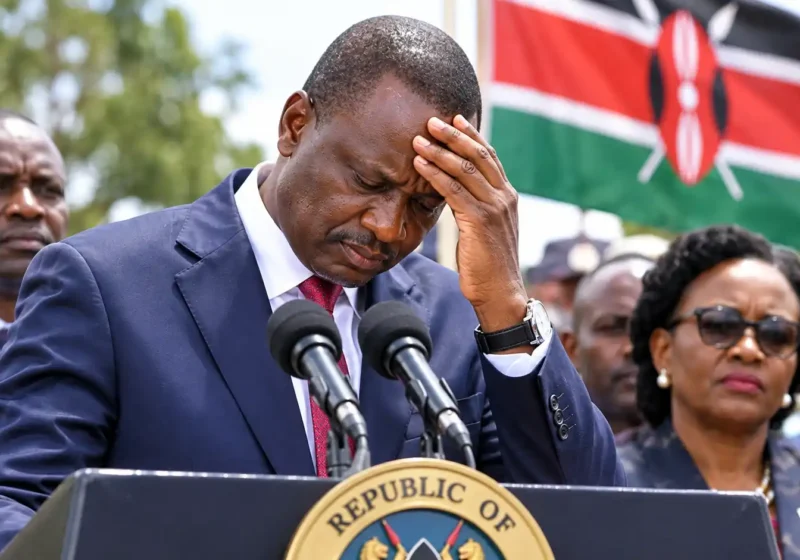
Brand reputation management in Nairobi is no longer something to think about only after a crisis. A single viral post, an unanswered complaint or a badly handled news story can undo years of trust in a few hours. Brands that manage their reputation on purpose earn more customer trust, attract better talent and recover faster when things go wrong.
Here is what reputation management involves, why it matters online, and how to respond when your brand is under pressure.
What Brand Reputation Management Involves
Effective reputation management in Kenya works across three connected areas:
- Building: consistently sharing your values, expertise and positive impact through your website, social media, press coverage and community engagement.
- Monitoring: tracking what people say about your brand on social media, news sites, review platforms and in industry conversations, so you spot issues early.
- Protecting: having a crisis plan with clear spokespeople, approval steps and ready-to-use response templates before anything goes wrong.
Brands that invest in all three are far more resilient than those that start thinking about reputation when the damage is already public. This integrated approach is at the heart of what a full-service marketing and PR agency in Nairobi does.
Why Brand Reputation Management in Nairobi Matters Online
Kenyans are highly active online. According to DataReportal’s Digital 2026 Kenya report, Kenya had about 18.4 million social media user identities in October 2025, which is why a single post can spread very quickly on X, TikTok, Facebook and WhatsApp.
That cuts both ways. A complaint can go viral fast, but a brand that responds with honesty, accountability and action can win people over just as quickly. Kenyan audiences notice when a response sounds scripted, and they reward brands that take real responsibility. The best time to build that credibility is before a crisis, not during one.
Signs Your Brand Needs Reputation Management
- Negative reviews or complaints are going unanswered.
- A false or misleading story about your business is circulating.
- Your leadership or staff are involved in a public controversy.
- A product or service failure is being discussed online.
- Customers can’t tell what your brand stands for.
- You have no plan for who speaks for the company in an emergency.
If two or more of these sound familiar, it is time to put a proper plan in place.
Media Relations as a Reputation Tool in Kenya
Coverage in respected outlets such as Nation Media, Standard Media and Business Daily Africa is still one of the strongest signs of credibility. Kenyan consumers and business buyers give real weight to independent media validation.
A brand that is regularly quoted as an expert, announces milestones through credible channels and handles negative coverage calmly builds a reputation that competitors cannot easily copy. Good media relations needs genuine relationships with journalists, stories that earn coverage on merit and the ability to respond quickly and professionally when issues arise.

5 Steps to Handle a Reputation Crisis
- Respond quickly. Acknowledge the issue within hours, even if you don’t yet have every answer.
- Get the facts straight. Confirm what happened before you make public claims.
- Choose one spokesperson and one message. Mixed messages make a crisis worse.
- Reply where the issue started. If it began on X or in a news story, respond there, not only on your website.
- Follow up with action and keep monitoring. Say what you are doing to fix it, then track the conversation until it settles.
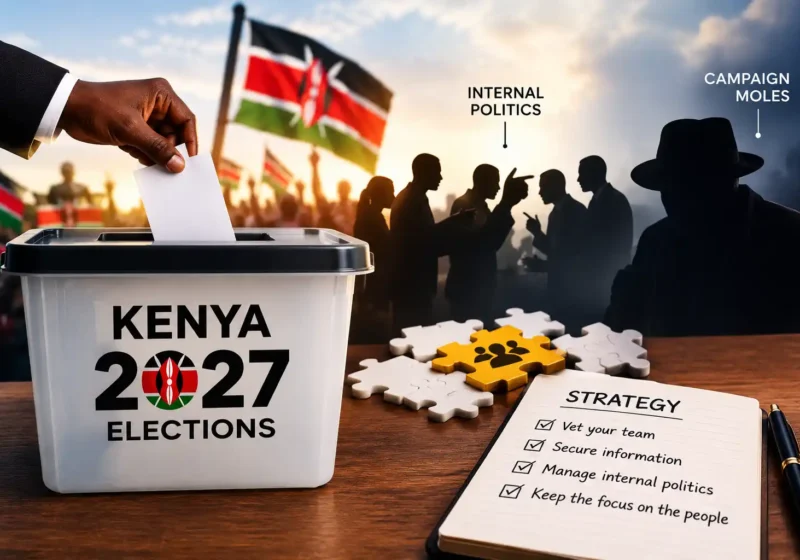
Reputation risks also come from inside organisations, especially during politically charged seasons. Our article on how to manage campaign moles and internal politics shows how to protect sensitive plans.
How FixitPR Manages Brand Reputation in Kenya
Our reputation management service combines continuous monitoring, proactive media relations, stakeholder communication and crisis preparation. We build each plan around the client’s industry, risk profile and goals. You can see the full range of support on our PR consultancy services page.
Whether you are dealing with a problem now or building the standing your business deserves, request a free quote or contact our team.
Frequently Asked Questions
What is brand reputation management?
It is the ongoing work of shaping, monitoring and protecting how people see your brand, through communication, media relations, customer service and crisis response.
How long does it take to improve a brand’s reputation?
It depends on the starting point and the issue. Responsiveness and message clarity can improve within weeks, while lasting trust usually takes months of consistent, honest communication.
Can negative reviews or posts be removed?
Not always. Content that breaks a platform’s rules can sometimes be reported, but most feedback stays. The better strategy is to respond publicly, fix the problem and build more positive, credible content.
What is the difference between PR and reputation management?
PR is the wider practice of managing communication with the media and public. Reputation management is the part focused on how your brand is perceived, including monitoring and crisis response. Professional bodies such as the Public Relations Society of Kenya guide the ethical practice of PR in the country.
Conclusion
Brand reputation management in Nairobi is not a function to ignore until something goes wrong. Brands that treat reputation as an asset, build it early and protect it with experienced partners are more trusted and more successful over time. Contact FixitPR to start building and protecting your brand today.