
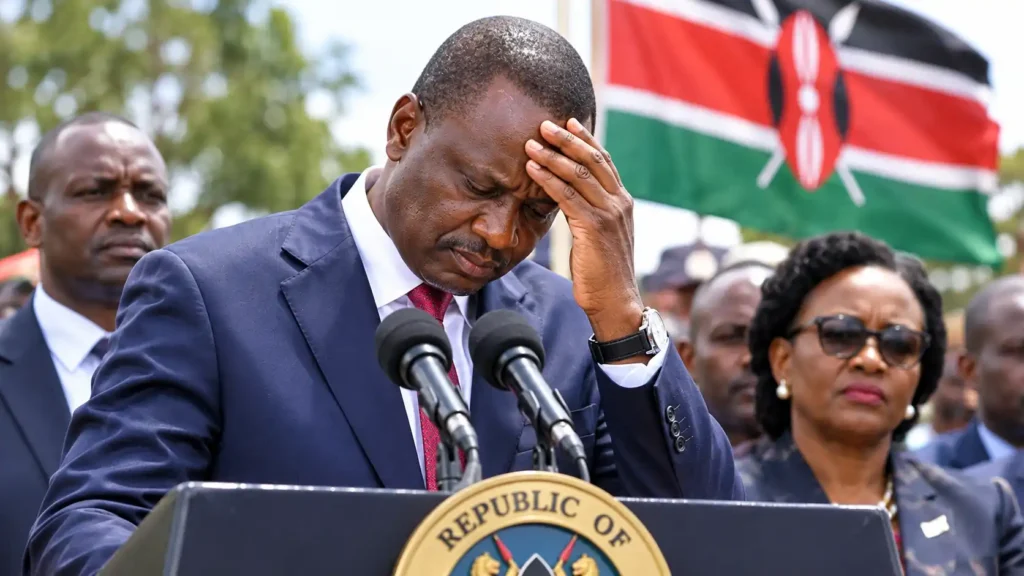
Good political crisis management in Kenya rarely looks dramatic from the outside — it looks like a team that already knew what to do. Every campaign plans for the podium; almost none plan for the leaked audio clip, the forged certificate claim, or the 2am social media storm. A scandal doesn’t have to end a campaign, but how the candidate responds in the first 24 hours usually decides whether it becomes a footnote or the whole story.
The Short Version
- Silence is a decision too — and it’s usually the wrong one. Voters fill gaps with the worst version of events.
- Speed matters more than polish in the first response; accuracy matters more than speed in every response after that.
- A crisis team assembled after the scandal breaks is already a day behind — build it before you need it.
The First 24 Hours
Verify before you respond. The worst crisis responses come from reacting to a headline instead of the facts. Get your team to confirm what actually happened before a single public word goes out — a confident response to the wrong version of events is worse than a delayed one.
Acknowledge publicly, fast. Even a short holding statement — “we are aware of these claims and are establishing the facts” — closes the silence gap that lets rumour take over. This is a core part of what experienced PR consultancy services handle for campaigns: getting a credible first statement out within hours, not days.
Control one message, one voice. Multiple campaign spokespeople giving slightly different accounts is how a scandal turns into a credibility crisis on top of the original problem. Designate one person to speak publicly and brief everyone else to redirect media to them.
Reach your base directly. While the statement goes to media, your ground agents and WhatsApp groups should be carrying the same message to voters directly — don’t let supporters learn your position from a rival’s framing of it first.
Common Types of Campaign Scandals in Kenya
- Leaked audio or video — real or doctored, these spread fastest on WhatsApp and demand the quickest verification process.
- Financial allegations — misuse of funds or unclear sources of campaign money, often raised by rivals through formal complaints or media leaks.
- Credential or eligibility disputes — questions over academic papers, clearance certificates or nomination validity.
- Personal and family controversies — the most sensitive category, requiring the most careful, least reactive handling.
- Internal campaign leaks — strategy documents or private disagreements becoming public, often tied to the internal politics and campaign moles that undermine teams from within.
What Not to Do
Don’t attack the messenger before addressing the claim. It reads as deflection even when the attack is justified — deal with the substance first, question the source second.
Don’t let the candidate freelance a response. An unscripted, emotional reaction in front of a camera has ended more campaigns than the original scandal ever would have.
Don’t go dark on social media. Deleting posts or going silent online looks like confirmation, even when there’s nothing to confirm. Keep posting on unrelated campaign activity while the crisis team works the response in parallel.
Political Crisis Management in Kenya Starts Before the Crisis
Every serious campaign should name its crisis response team on day one of the campaign, not day one of the crisis — a spokesperson, a fact-checker, a legal contact and someone monitoring social sentiment in real time. Pair this with a basic political consultancy relationship that already understands your campaign’s vulnerabilities, so the response plan isn’t being built from scratch under pressure.
Rebuilding Trust After the Dust Settles
Surviving the news cycle isn’t the same as recovering the trust lost during it. Once the immediate crisis passes, campaigns need a deliberate rebuild: consistent messaging that reinforces the political brand the scandal disrupted, visible community engagement that puts the candidate back in front of voters directly, and a clear record of follow-through on any commitments made during the response. Trust comes back slower than it leaves — budget time for that, not just the crisis week itself.
Scandals are rarely fatal on their own. Mishandled responses are what turn a bad week into a lost election. The Public Relations Society of America publishes widely-used crisis communication frameworks that apply just as well to a Kenyan campaign as a corporate boardroom. If you’re building a 2027 campaign and want political crisis management in Kenya sorted before you need it, FixitPR’s PR consultancy team works with Kenyan candidates on exactly this.